CANADA — Connectica reporting
Canada’s top court largely validates Quebec’s secularism law but rules elected officials cannot be barred from wearing face coverings in the National Assembly.
The Supreme Court of Canada has largely upheld Quebec’s Bill 21, the province’s secularism law banning public-sector workers in positions of authority from wearing religious symbols. In a 520-page ruling released Friday, the court found Quebec properly invoked the Constitution’s notwithstanding clause to shield the law from most Charter challenges, though it struck down provisions preventing elected officials from wearing face coverings in the National Assembly.
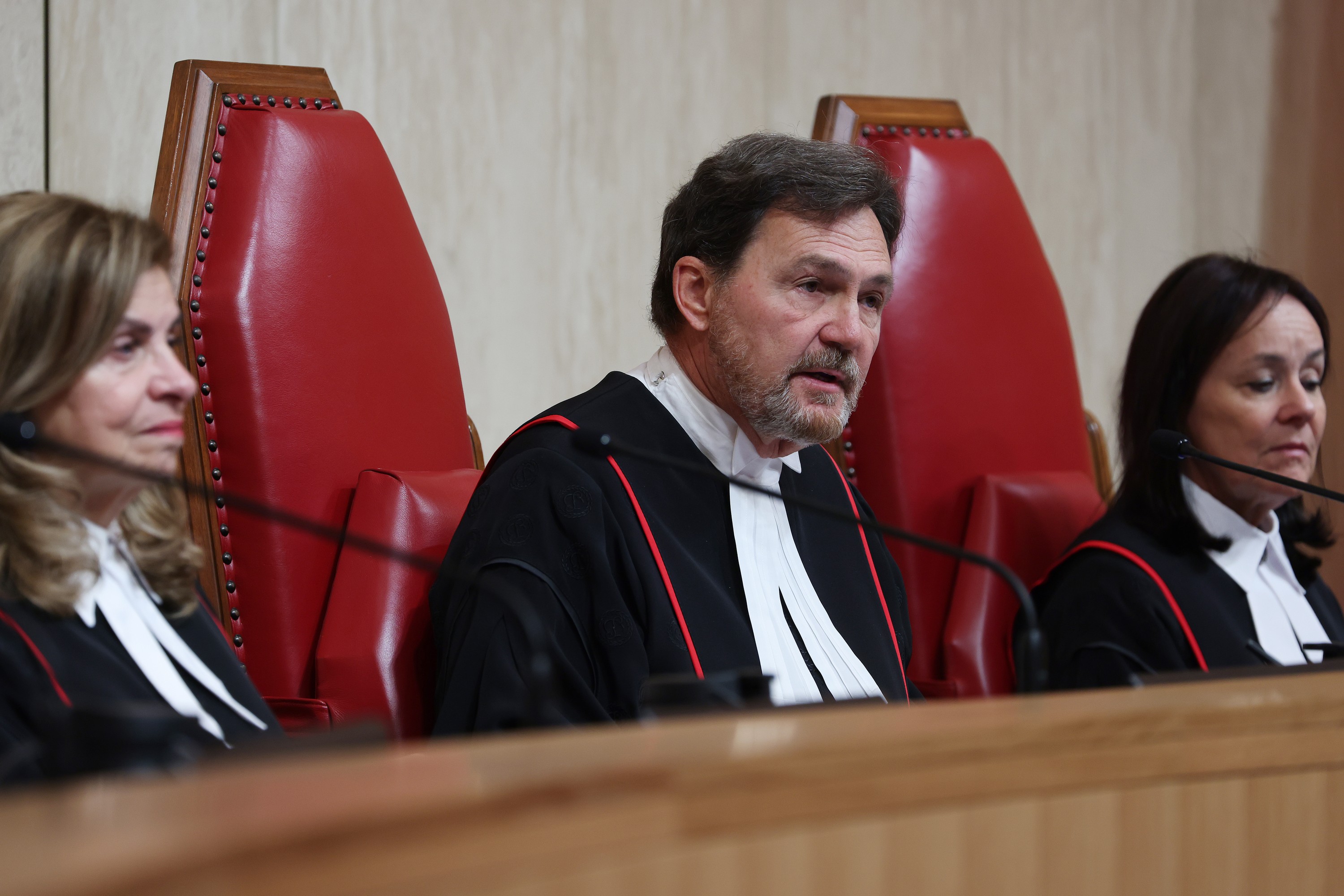
Chief Justice Richard Wagner, writing for the majority, acknowledged the law’s 'stigmatizing and deleterious effects' on religious minorities, particularly Muslim women, but ruled Quebec’s use of the notwithstanding clause was valid. The clause allows governments to override certain Charter rights for renewable five-year periods. The decision split the court 4-3 on whether judges can issue declarations that a law violates Charter rights even when shielded by the clause—a new precedent that could influence future cases.
The English Montreal School Board had argued Bill 21 infringed on minority-language education rights by restricting hiring practices. While the court recognized the law might limit diversity in anglophone schools, it found no evidence this uniquely harmed Quebec’s English-speaking minority. Dissenting justices warned the ruling undermines the ability of minority institutions to reflect their communities’ values.
The case, one of the longest in Supreme Court history with 51 interveners, has implications beyond Quebec. Alberta, Ontario, and Saskatchewan—which have also preemptively used the notwithstanding clause—argued against judicial limits on its use. The federal government had sought tighter restrictions. The ruling leaves the clause’s broad application intact but opens the door to symbolic judicial rebukes of laws that conflict with Charter rights.
Reported with files from Montreal Gazette, Toronto Sun, CBC News Politics, National Post.
Connectica provides information only, not financial, investment or legal advice.