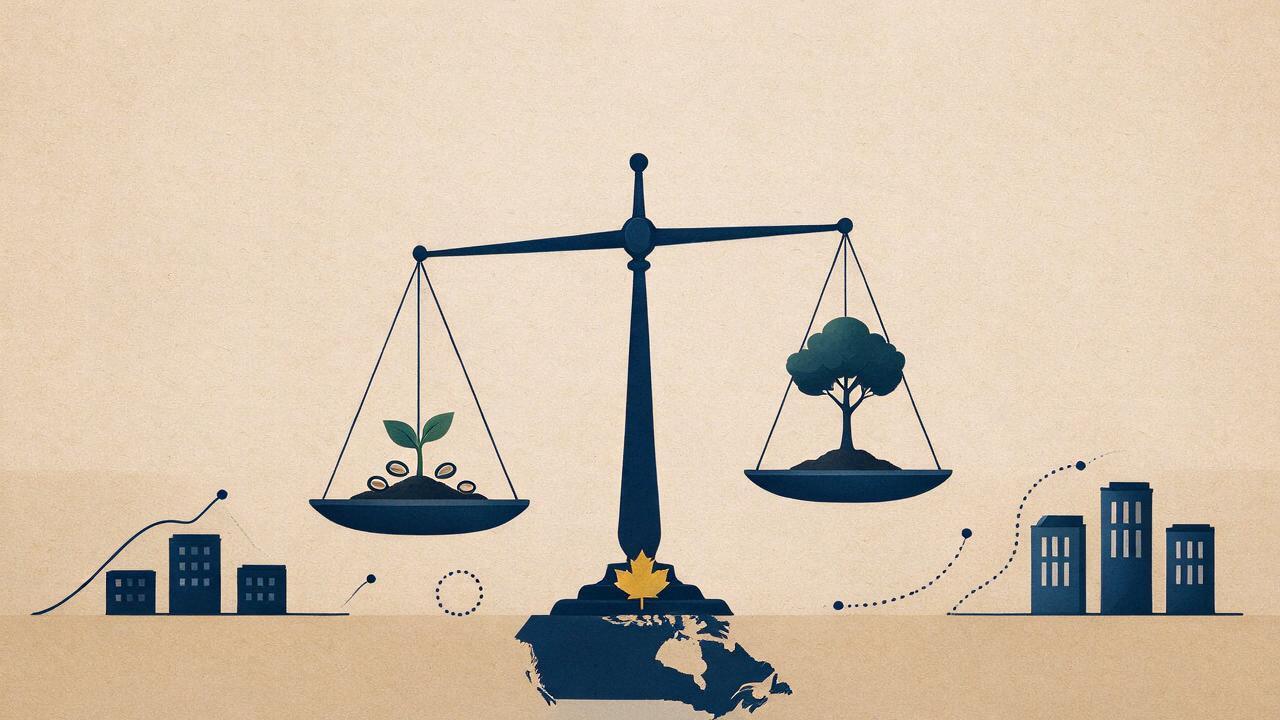
Seed rounds and Series A funding represent distinct stages in startup financing, each with unique valuation approaches, traction requirements, and investor expectations. Understanding these differences is crucial for Canadian founders navigating early-stage fundraising.
Funding Stages and Objectives
Seed rounds and Series A financings serve different purposes in a startup's lifecycle. Seed funding is typically the first institutional capital raised, used to develop a minimum viable product (MVP), validate market fit, and build initial traction. Series A funding comes later, enabling startups to scale operations, expand market reach, and accelerate growth.
In Canada, seed rounds often range from $500,000 to $2 million CAD, while Series A rounds typically fall between $2 million and $10 million CAD. The timing between these rounds varies but generally spans 12-24 months as startups work to achieve key milestones.
- Seed: Focus on product development and market validation
- Series A: Focus on scaling proven business models
Valuation Approaches
Valuation methodologies differ significantly between seed and Series A stages. Seed valuations are often based on qualitative factors like team strength, market size, and product potential, with pre-money valuations typically ranging from $2 million to $10 million CAD.
Series A valuations incorporate quantitative metrics, focusing on revenue growth, customer acquisition costs, lifetime value, and other key performance indicators. Canadian Series A valuations commonly range from $10 million to $30 million CAD, reflecting the startup's demonstrated traction and growth potential.
Investor Expectations and Due Diligence
Seed investors, including Canadian angel networks and early-stage VCs, prioritize the founding team's capabilities and the startup's market opportunity. They expect to see a compelling vision, early product development, and initial customer interest.
Series A investors, typically institutional VCs, demand more rigorous evidence of market traction. Canadian startups seeking Series A funding should demonstrate consistent revenue growth, scalable customer acquisition channels, and a clear path to profitability. Due diligence at this stage is more comprehensive, often including detailed financial modeling and market analysis.
- Seed: Focus on team and vision
- Series A: Focus on metrics and scalability
Frequently asked questions
What milestones should Canadian startups achieve before Series A?
Canadian startups should demonstrate consistent revenue growth, scalable customer acquisition, and positive unit economics before Series A.
How do Canadian seed valuations compare to US benchmarks?
Canadian seed valuations are typically 20-30% lower than comparable US startups, reflecting differences in market size and investor risk appetite.
What percentage equity should founders expect to give up in Series A?
Canadian founders typically dilute 15-25% equity in Series A rounds, depending on valuation and funding amount.
Sources
Connectica provides information only, not financial, investment, legal or tax advice. Figures on this page are estimates and generalizations — confirm anything that matters with the relevant professional or authority.