MONTREAL — Connectica reporting
Quebecor has made an unsolicited $31-billion cash-and-stock offer for Telus, but Telus's board and a Bay Street analyst say the regulatory path is unclear.
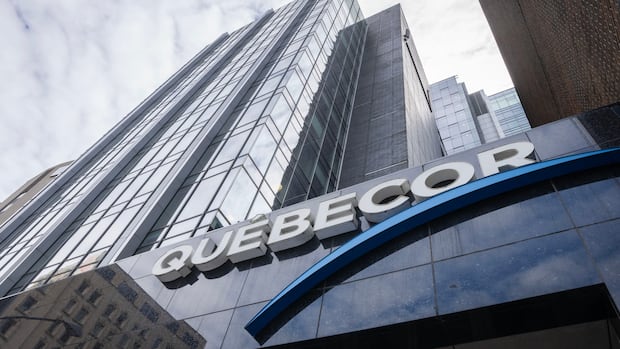
Quebecor Inc. has made an unsolicited cash-and-stock offer to buy Telus Corp. for $31 billion, a bid the Montreal-based telecom made public on Monday after submitting a non-binding proposal in June and an enhanced version earlier this month. Quebecor says the combination would unite complementary networks, spectrum and operating capabilities to create a fully Canadian-controlled national carrier. Vancouver-based Telus is reviewing the enhanced proposal.
Under the terms, Telus shareholders would receive $6.35 in cash and 0.17 Quebecor Class B shares for each Telus share, or $19.45 a share — a premium of about 60 per cent to Telus's recent share price, according to Quebecor. Quebecor estimates the combination would generate about $160 million in operating synergies and roughly $235 million in capital expenditure efficiencies.
Quebecor, Canada's fourth-largest telecom company, argues the deal would create a pan-Canadian competitor able to compete on equal terms with the other national providers, speed 5G deployment, improve rural connectivity and support affordability. It also frames the bid around Canadian ownership, saying telecom networks are critical infrastructure for national security, economic and digital security and for the country's artificial intelligence infrastructure, and that Canada must be able to rely on major players under Canadian control.
Telus's board has formed a special committee, which has identified "significant" regulatory and execution risks, board chair John Manley said. Four months after Quebecor's initial approach, Manley said, the company "has yet to explain how what it is proposing could be approved under the current telecom regulatory framework in Canada," and that a regulatory review would be a long and costly process for Telus shareholders. Approval would require sign-off from the Competition Bureau, the CRTC and Innovation, Science and Economic Development Canada. Manley said Telus is prepared to continue engaging with Quebecor, government and regulators, while exploring alternatives.
National Bank Financial analyst Adam Shine wrote that while he understands Quebecor's rationale — it has performed strongly since acquiring Freedom Mobile when Rogers Communications Inc. and Shaw Communications Inc. merged in 2023 — he does not see how Ottawa can approve a deal that would give Quebecor two of the country's wireless networks. He noted it took Rogers two years to win approval for Shaw after a lengthy battle with the Competition Bureau and a divestiture of Freedom to Quebecor, and that the bid runs against the greater telecom competition Ottawa has pursued, with Quebecor itself a beneficiary of that policy.
Shine also pointed out that Telus shareholders would hold a 54 per cent economic stake in the combined company but only 23 per cent of the vote. Quebecor's leverage would rise to 4.1 times earnings from a recent 2.7 times, though the company expects to bring that down to 3.5 times within two years, he said.
The two accounts of the proposal agree on its headline terms and on Telus's stated concerns; the Financial Post report adds analyst detail on voting control and leverage, while CBC emphasizes Quebecor's stated benefits for consumers. For Canadian businesses, the deal would reshape competition in the wireless and internet services many rely on, and the regulatory path — rather than the price — is emerging as the central question.
Reported with files from Financial Post, CBC News Business.
Connectica provides information only, not financial, investment or legal advice.