CANADA — Connectica reporting
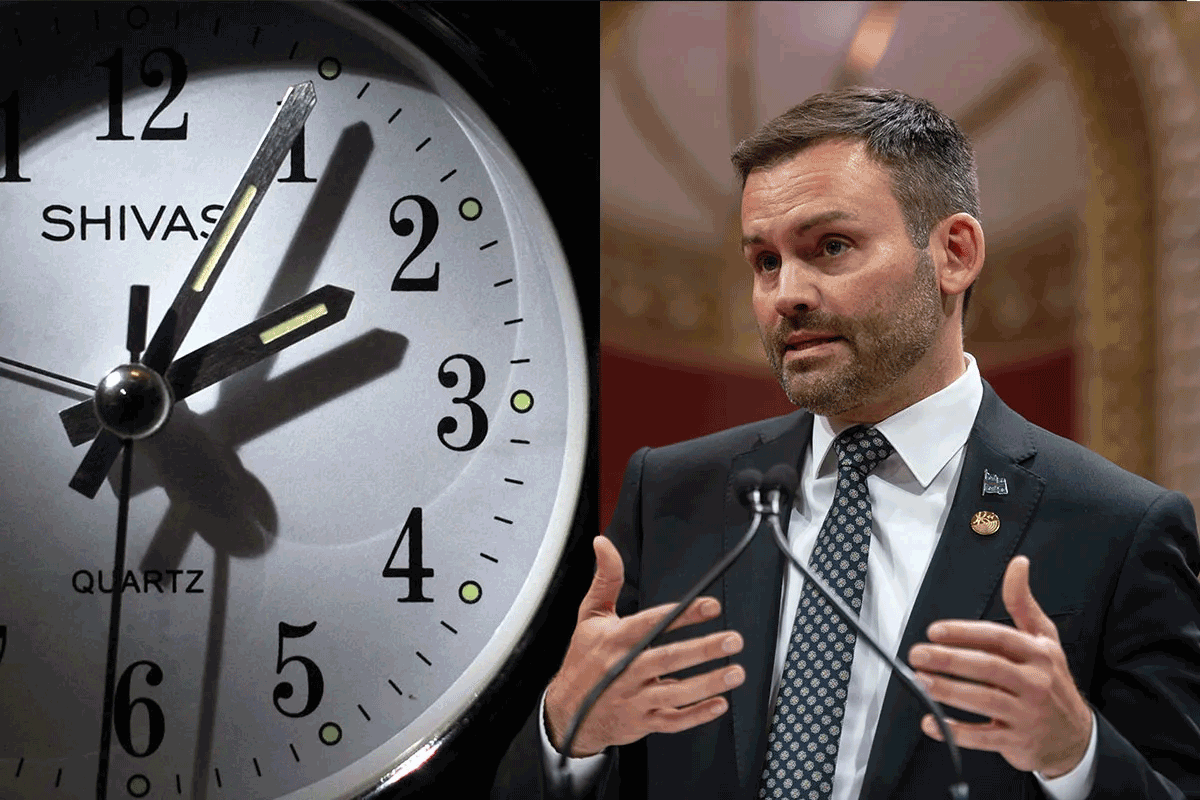
Quebec Premier Paul St-Pierre Plamondon weighs permanent daylight or standard time, potentially creating a distinct Quebec Sovereign Time as provinces diverge on clock changes.
Quebec is poised to join the national debate on ending seasonal clock changes, with Premier Paul St-Pierre Plamondon pledging to eliminate the twice-yearly time shift in 2027. However, the province has yet to decide whether to adopt permanent daylight time or permanent standard time—or even create a distinct Quebec Sovereign Time (QST).
The move follows similar decisions by other provinces, with B.C., Alberta, and Manitoba opting for permanent daylight time, while Saskatchewan remains on permanent standard time. Northern Ontario cities like Kenora have also shifted to permanent daylight time, adding complexity to regional timekeeping.
Quebec’s choice could further fragment Canada’s time zones, complicating travel and business coordination. For example, a flight from Halifax to Winnipeg could span multiple time zones, creating confusion for passengers and airlines alike.
Public opinion in Quebec is divided, with over 70% favoring permanent daylight time for more afternoon light, while 30%—supported by health professionals—prefer standard time for its morning brightness. The decision could reignite debates over Quebec’s distinct identity, with some speculating that QST could serve as a symbolic gesture of sovereignty.
Regardless of the outcome, the clock change debate highlights the challenges of aligning provincial policies in a geographically vast and politically diverse country. Quebec’s decision will likely spark further discussions—and disagreements—across Canada.
Reported with files from Montreal Gazette.
Connectica provides information only, not financial, investment or legal advice.