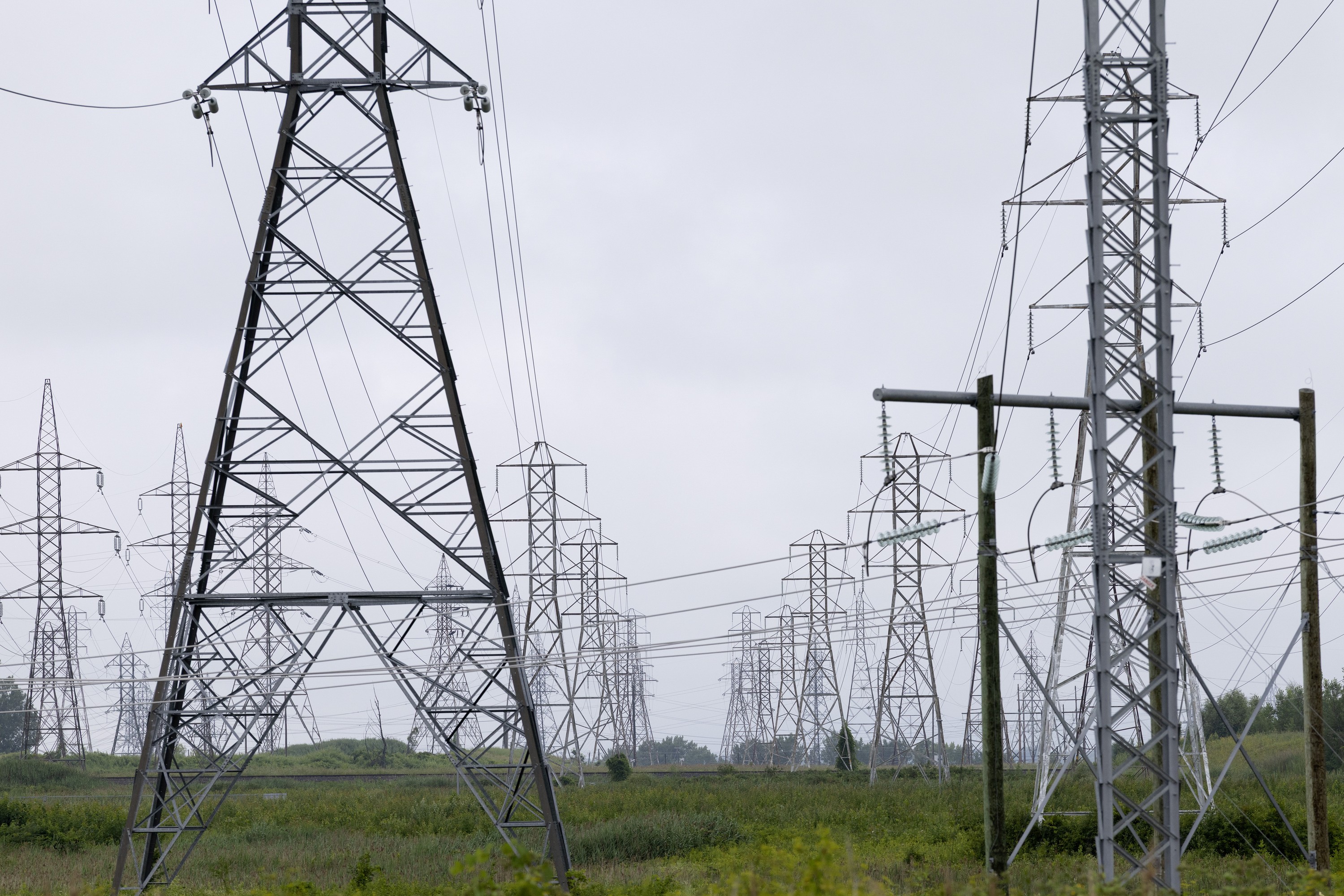
MONTREAL — Connectica reporting
Hydro-Québec's net income slipped to $2.6 billion in the first nine months of 2026 despite record sales, as dry reservoirs and cold weather forced it to buy more electricity than it sold abroad.
Hydro-Québec reported net income of $2.6 billion for the first nine months of 2026, down from $2.83 billion in the same period a year earlier — a decline of about $230 million — even as the provincially owned utility sold a record amount of electricity. The utility attributed the squeeze to cold winter weather and low water levels in its reservoirs, which pushed it deeper into power markets to meet demand.
Energy purchases exceeded $3.6 billion over the nine months, an increase of nearly $1 billion from the equivalent period in 2025. Export revenue rose over the same stretch, climbing $427 million to more than $1.85 billion. Hydro-Québec said it sold electricity at an average price of $0.15 per kilowatt-hour while buying at an average of $0.08 per kWh — a spread that still left it spending far more on purchases than it earned from sales outside Quebec.
Maxime Aucoin, executive vice-president and chief financial officer, said the utility's hydrology has been unusually weak for several years. "Since 2023, Hydro-Québec has experienced its four driest consecutive years since hydrological data began to be compiled in the 1940s," he said in a news release. "In particular, this means we need to limit our sales in short-term markets outside Quebec and take advantage of opportunities to import at the lowest possible cost. At the same time, we continue investing to diversify our energy portfolio and allow for greater latitude to meet Quebec's growing needs."
In the third quarter alone, which ended Sept. 30, net income rose to $580 million from $553 million a year earlier. Energy exports added $541 million and Quebec sales were up $141 million, but those gains were offset by a $312-million increase in energy purchases.
The utility said it invested $3.25 billion in maintaining, repairing and renewing its infrastructure during the nine months, along with $1.63 billion aimed at increasing capacity.
The results matter beyond the utility's balance sheet for Quebec businesses, which have long counted on the province's power surplus as a draw for industrial expansion and energy-intensive projects. A sustained shift toward importing electricity — and the cost of building new capacity — shapes both the supply available to large customers and the rate pressure they face in coming years.
Reported with files from Montreal Gazette.
Connectica provides information only, not financial, investment or legal advice.